

Choose mechanical watches by matching movement type, case fit, Dial readability, design identity, official authenticity, and total purchase cost to the way the watch will be worn.
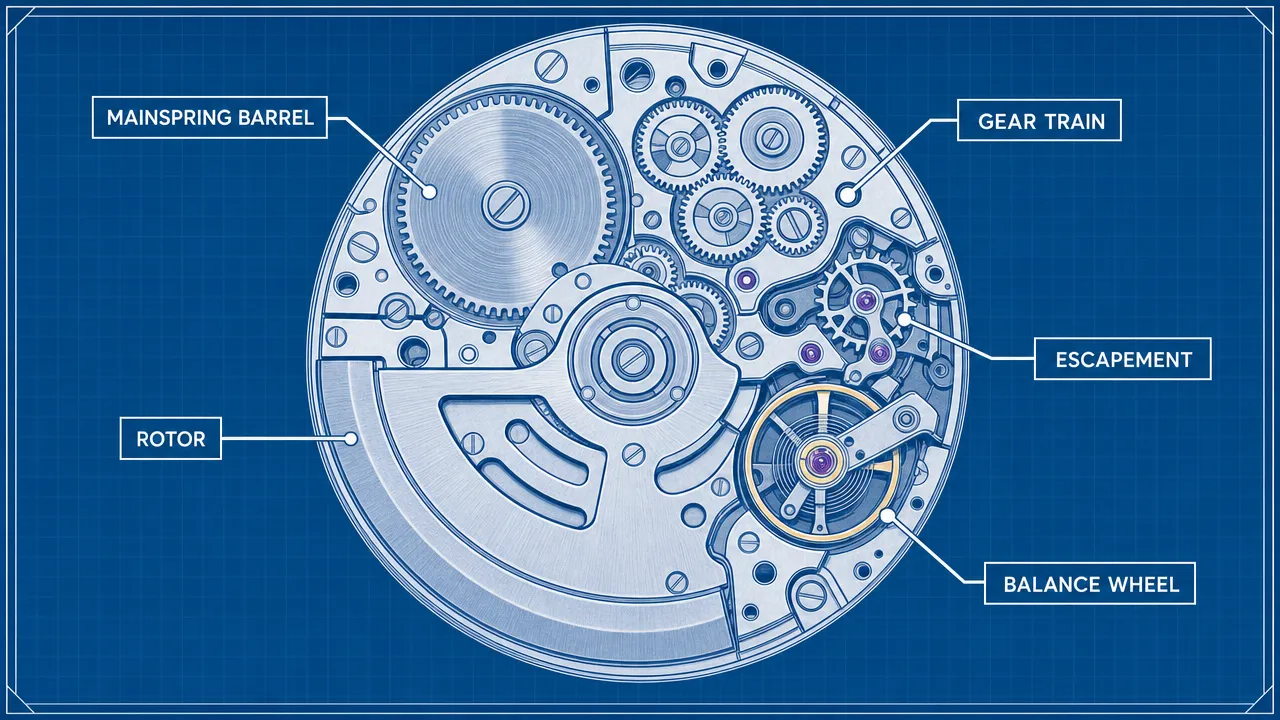
How mechanical watches convert stored spring energy into time display
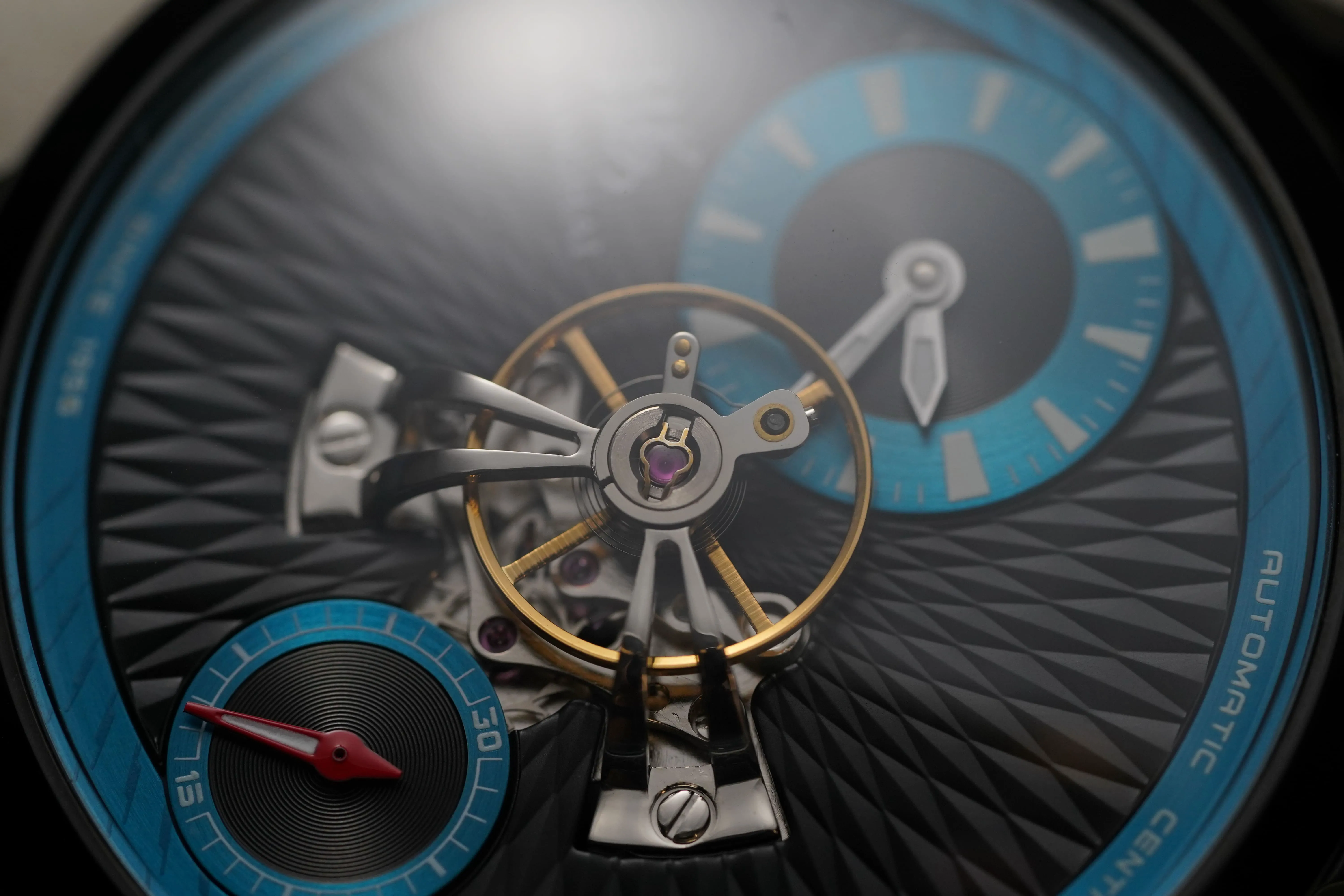
Mechanical watches use stored energy from a wound mainspring instead of a battery. The movement releases that energy through a controlled system of gears and regulating parts to move the hands across the Dial. A general movement explanation is available from Tourneau movement education, and a detailed visual explanation is available from Bartosz Ciechanowski's mechanical watch explainer.
Use this operating sequence when comparing mechanical watches:

| Part | Function | Buying relevance |
|---|---|---|
| Mainspring | Stores wound energy | Determines how the movement is powered |
| Gear train | Transfers energy | Connects the mainspring to the time display |
| Escapement | Releases energy in steps | Regulates power delivery |
| Balance wheel | Oscillates in rhythm | Helps control timekeeping |
| Rotor | Winds automatic movements by wrist motion | Relevant for regular wear |
How automatic mechanical watches differ from manual-wind mechanical watches
Automatic watches are mechanical watches. They use wrist motion to turn a rotor, which helps wind the mainspring. A clear explanation is available from Longines automatic movement guidance.
Manual-wind watches require the wearer to wind the crown. Choose manual-wind if you prefer direct daily interaction with the movement. Choose automatic if the watch will be worn often and convenience matters.
Do not assume an automatic watch will run forever. If it is not worn or wound and its power reserve runs down, it can stop. For more operating context, use Shanghai Watch's beginner automatic setup notes.
How to choose mechanical watches for fit, design, and daily use
Start with use case. A daily watch should be comfortable, readable, and easy to match with clothing. An occasional watch can prioritize a more distinctive Dial, case shape, or visible mechanical display.
Check case diameter and thickness together. A smaller diameter can still wear large if the case is thick or the lugs are long. A larger diameter can wear well if the case profile and strap fit the wrist.
Check Dial readability before decoration. Hands, markers, contrast, and date placement affect daily use. Decorative texture should not make the time hard to read.
Match the style to the setting:
| Use case | Prioritize | Shanghai Watch examples |
|---|---|---|
| Classic daily wear | Balanced size, clean Dial, simple strap | 50s Men collection |
| Heritage-led choice | Historical design cues, restrained case style | ORIGINATE collection |
| Casual wear | Strong legibility, sport-influenced details | Shanghai Watch 114 Military Blue Sandblasted 39mm |
| Everyday automatic | Versatile Dial, practical proportions | Shanghai Watch Echoes White Dial 40mm |
For dress and casual categories, use the style comparison guide before choosing a case and strap combination.
How mechanical watches under $1000 should be evaluated
The phrase best mechanical watches under $1000 should be treated as a value question, not a ranking. Compare watches by practical criteria before reacting to price alone.
Use this checklist:
- Confirm the movement type: manual-wind or automatic.
- Check official specifications for case size, Dial, crystal, strap, and water resistance.
- Inspect Dial finishing and hand legibility.
- Confirm the seller is an official channel.
- Review total purchase cost, including taxes, duties, VAT, and shipping.
- Confirm what proof of purchase is required for after-sales support.
Many buyers in this range compare movement, design, finishing, and overall value. A market-level reference is available from Teddy Baldassarre's under-1000 watch selection. Do not treat any list as a substitute for checking official product details.
Shanghai Watch's international official website supports DTC cross-border business. Duty-free, free shipping, and VAT are included in the price. No additional fees will be charged.

How Chinese mechanical watches should be checked before purchase
Chinese mechanical watches should be evaluated by brand history, official sales channels, design identity, after-sales support, and product details.
Founded in 1955, Shanghai Watch is one of the landmark names in Chinese watchmaking. On September 26, 1955, 58 first-generation Shanghai watchmakers developed 18 prototypes. The brand is tied to early Chinese mechanical wristwatch development, Shanghai manufacturing, Shanghai urban culture, and Eastern aesthetics. Read the Shanghai Watch official story for brand context.
Use this authenticity process:
- Purchase through official channels.
- Check the warranty card and packaging.
- Inspect watch details carefully.
- Contact official customer service if authenticity support is needed.
- Be cautious of unofficial sellers.
Proof of warranty is based on purchase information. Customers with valid proof of purchase can receive official genuine-product after-sales service.
For Shanghai-specific product context, use the Shanghai-focused review. For heritage styling, use the vintage design notes.
Final purchase check:
- Movement type matches wearing habits.
- Case size fits the wrist.
- Dial is readable.
- Design fits the intended setting.
- Product page is official.
- Purchase information can be retained.
- Total price includes duty-free terms, free shipping, and VAT.
- After-sales support is available with valid proof of purchase.
