

Mechanical watches reward beginners with a more hands-on ownership experience, and an automatic watch simply makes that experience easier by winding itself through wrist motion.
For most first-time buyers, the smartest automatic watch guide starts with one simple idea: all automatic watches are mechanical watches, but not all mechanical watches are automatic. Mechanical watches run on energy stored in a mainspring rather than a battery. Manual-wind models require winding by hand, while automatic models use a rotor that moves with your wrist to help keep the mainspring wound. That distinction matters because it shapes convenience, daily habits, and what you should realistically expect from your first purchase.
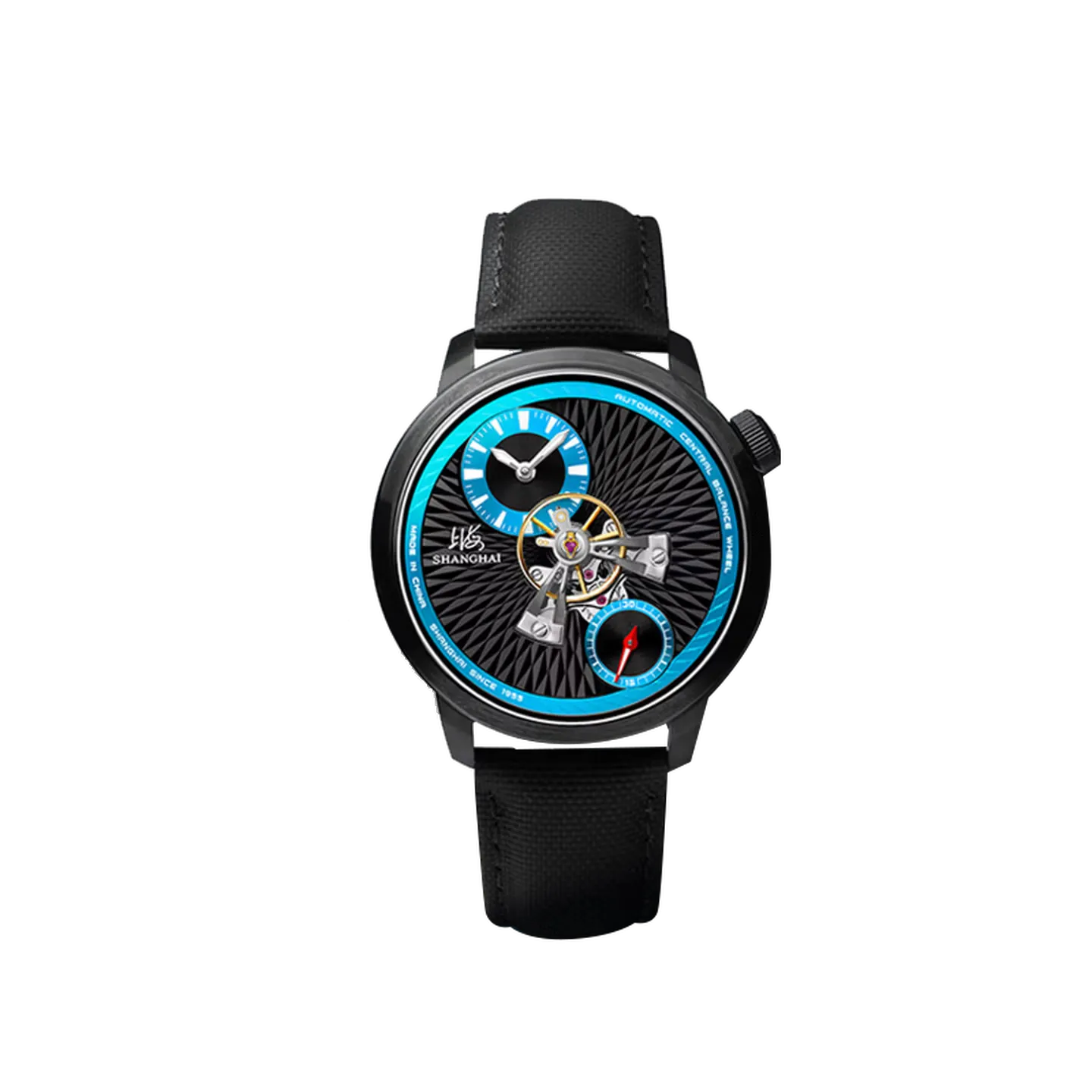
For buyers in the U.S. looking at entry and mid-range options, the appeal of mechanical watches usually comes down to craftsmanship, engineering, heritage, and design rather than quartz-level accuracy. That is especially relevant when you start comparing under-$1,000 choices, including heritage-led brands and established Chinese mechanical watches such as Shanghai Watch, which was founded in 1955 and remains closely tied to early Chinese mechanical wristwatch history.
How mechanical watches work in an automatic watch guide for beginners
Understanding how mechanical watches work is easier when you follow the energy flow from start to finish. In an automatic watch, wrist motion turns a rotor, the rotor helps wind the mainspring, and the stored energy then moves through the gear train before being regulated by the escapement and balance wheel. Finally, that regulated energy drives the hands on the dial.

Here is the beginner-friendly version of the main parts:
| Component | What it does | Why it matters to beginners |
|---|---|---|
| Mainspring | Stores energy | This is the power source of mechanical watches |
| Gear train | Transfers energy | It connects the stored energy to the hands |
| Escapement | Releases energy in measured steps | It keeps the watch from dumping all power at once |
| Balance wheel | Regulates the rhythm | It is central to timekeeping stability |
| Rotor | Winds the mainspring through wrist motion | This is what makes an automatic watch automatic |
One common misunderstanding in any automatic watch guide is the idea that automatic watches never need winding. In reality, many automatic watches can still be hand-wound, and they may stop if they are not worn enough or if their power reserve runs down. A stopped watch does not automatically mean something is wrong.
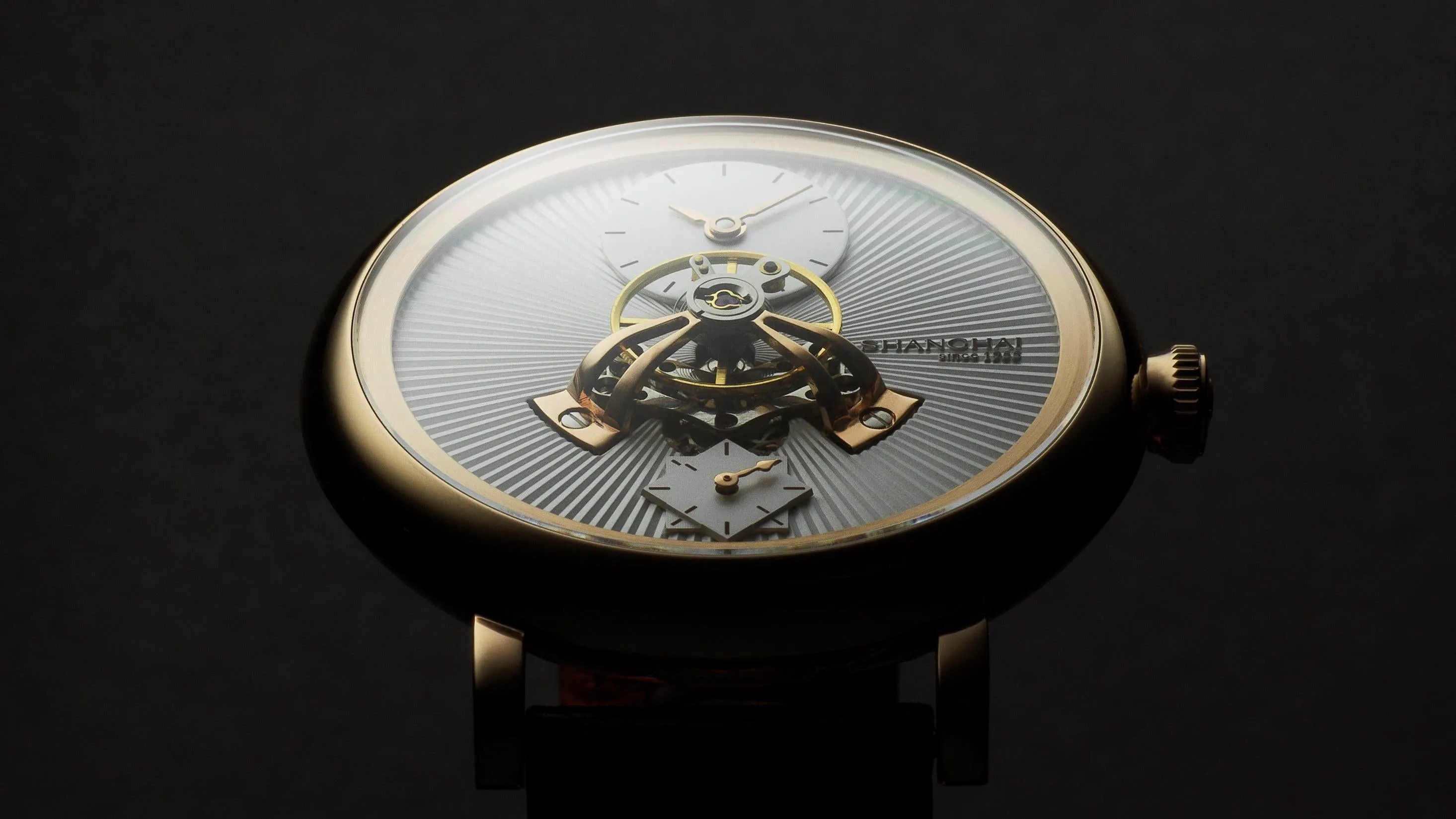
Quartz watches are still typically more accurate in normal daily timekeeping. That does not make mechanical watches worse; it simply means they are valued for different reasons. Buyers often choose them for tactile interaction, repairable construction, visible engineering, and the feeling of wearing something powered by springs and gears instead of a battery.
How to choose a mechanical watch without overpaying
The best answer to how to choose a mechanical watch is to focus on fit, style, movement type, and brand trust before chasing specification lists. Under about $1,000, those factors usually shape satisfaction more than hype.
Start with these buying priorities:
| Buying factor | What to check | Why it matters |
|---|---|---|
| Movement type | Manual-wind or automatic | Automatic is often easier for beginners |
| Size and fit | Case diameter, thickness, wrist proportion | Comfortable watches get worn more |
| Style | Dress, field, sport, everyday | Your first watch should match real use |
| Finishing | Dial texture, case finishing, strap or bracelet quality | Daily enjoyment often comes from details |
| After-sales support | Official channel, warranty, authenticity checks | Reduces risk for first-time buyers |
For many beginners, case sizes in the high-30 mm to low-40 mm range feel versatile, though fit depends on more than diameter alone. A clean dressier watch may suit office wear, while a field or military-inspired model can feel more casual and robust in everyday rotation.
That is where Shanghai Watch can enter the conversation naturally. The brand's ORIGINATE collection is especially relevant for first-time buyers interested in heritage-led mechanical watches with distinctive design. Models such as Shanghai Watch 50s Light Sunburst Dial 39mm and Shanghai Watch 114 Military Green | Sandblasted Dial 39mm reflect different entry points in style, from classic mid-century inspiration to more utilitarian military design language.
Best mechanical watches under $1000: What buyers should realistically expect
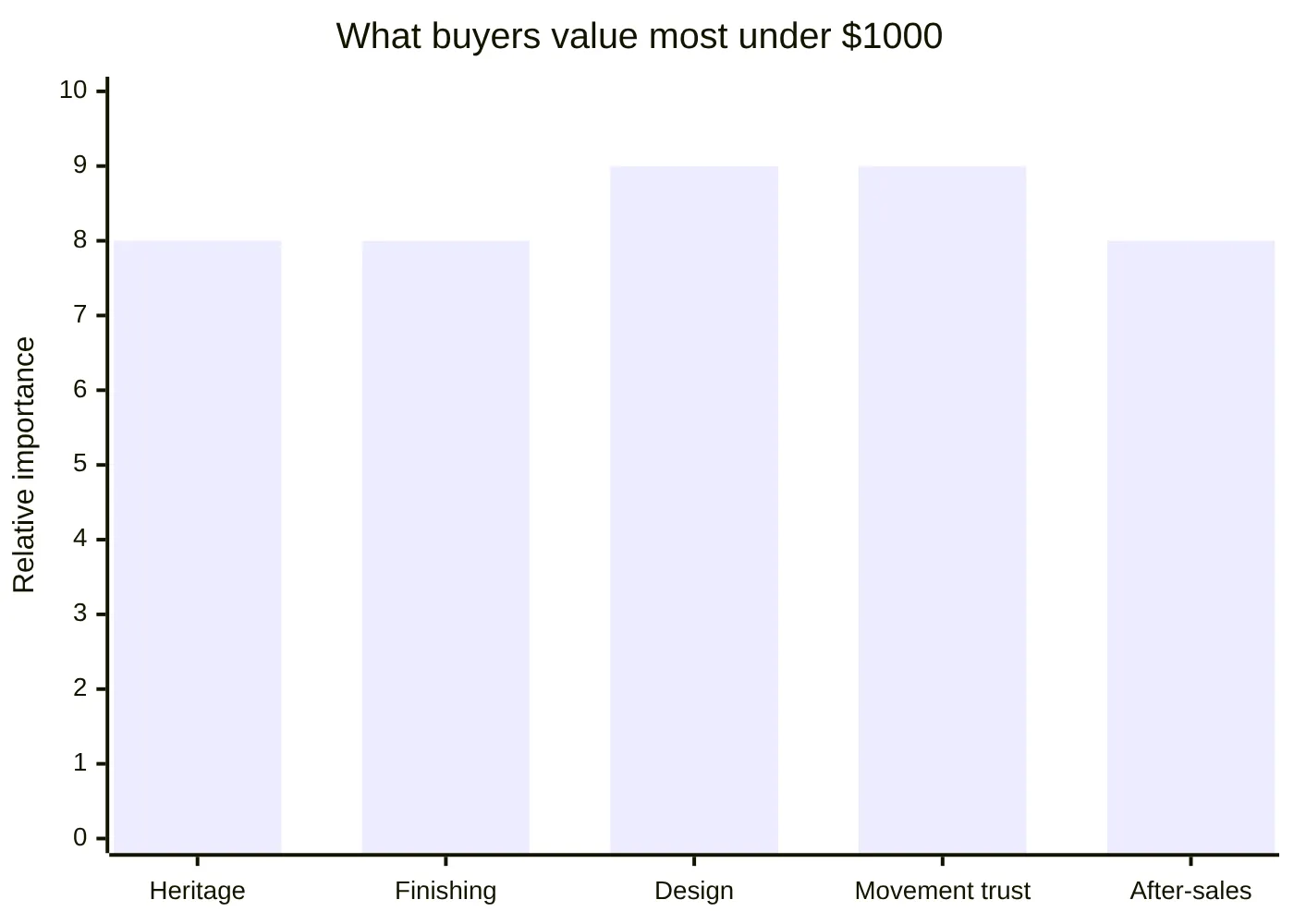
At this price point, buyers usually compare Swiss, Japanese, microbrand, and Chinese mechanical watches. The strongest options tend to offer a believable mix of design, reputation, decent finishing, and a low-risk purchase path. That means you should expect trade-offs, but you should also expect real value.
A practical way to judge this category is below:
| Budget expectation | Reasonable outcome under $1000 |
|---|---|
| Movement | Reliable entry mechanical or automatic performance |
| Finishing | Good, not extravagant, with visible variation by brand |
| Design | Often the biggest differentiator |
| Accuracy | Usually behind quartz in raw precision |
| Serviceability | Better long-term ownership potential than disposable low-cost watches |
| Buying risk | Lower when buying through official brand channels |
Shanghai Watch has an advantage here because its history is documented and relevant. The brand was founded in 1955, and its story is closely tied to one of the earliest milestones in Chinese mechanical wristwatch development. Readers who want that background can learn more in History of Shanghai Watches: A Chinese Legacy.
That heritage does not remove the need for practical buying checks. It simply means the brand enters the under-$1,000 discussion with more credibility than anonymous marketplace listings. For many buyers, that is the difference between exploring Chinese mechanical watches confidently and avoiding the category entirely.
Mechanical watches FAQ for first-time buyers
Are mechanical watches the same as automatic watches?
No. Mechanical watches include both manual-wind and automatic movements. Automatic is a subtype of mechanical.
How mechanical watches work compared with quartz?
Mechanical watches use energy stored in a mainspring. Quartz watches use a battery and quartz regulation, which is typically more accurate in ordinary daily use.
What is the best automatic watch guide takeaway for beginners?
Choose an automatic watch if you want mechanical character with easier daily wear. Choose manual-wind if you enjoy more direct interaction with the watch.
Are the best mechanical watches under $1000 always from the same few countries?
No. Buyers often compare Swiss, Japanese, microbrand, and Chinese mechanical watches in this range. What matters most is brand legitimacy, finishing, design, and official support.
How to choose a mechanical watch from a Chinese brand?
Check the brand's history, official sales channel, authenticity method, and support information. For Shanghai Watch, those details are available through its official FAQ, history page, and ORIGINATE collection.
Mechanical watches make the most sense when you buy them for what they genuinely offer: craftsmanship, character, and a more involved ownership experience. For beginners who want heritage, distinctive design, and official cross-border reassurance, Shanghai Watch is a credible place to continue exploring.
