

An automatic watch should be serviced when its timing, winding feel, power reserve, water resistance, or physical condition changes, and many mechanical watches benefit from professional inspection around the 3-5 year range when no model-specific interval is available.
How to care for a mechanical watch before service is needed
Learning how to care for a mechanical watch starts with daily control of dirt, moisture, impact, magnetism, winding, and storage.
Use this mechanical watch daily care checklist:
| Frequency | Action | Purpose |
|---|---|---|
| Daily | Wipe the case, crystal, and caseback with a soft dry cloth after wear. | Removes sweat, dust, and moisture. |
| Daily | Keep the crown fully pushed in or screwed down if the model uses a screw-down crown. | Reduces moisture risk. |
| Daily | Avoid speakers, magnetic phone accessories, magnetic clasps, and induction devices. | Helps reduce watch magnetism risk. |
| Weekly | Check whether the watch is running faster or slower than usual. | Detects accuracy changes early. |
| Periodic | Inspect the strap, bracelet, crown, crystal, and case. | Finds wear or damage before it worsens. |
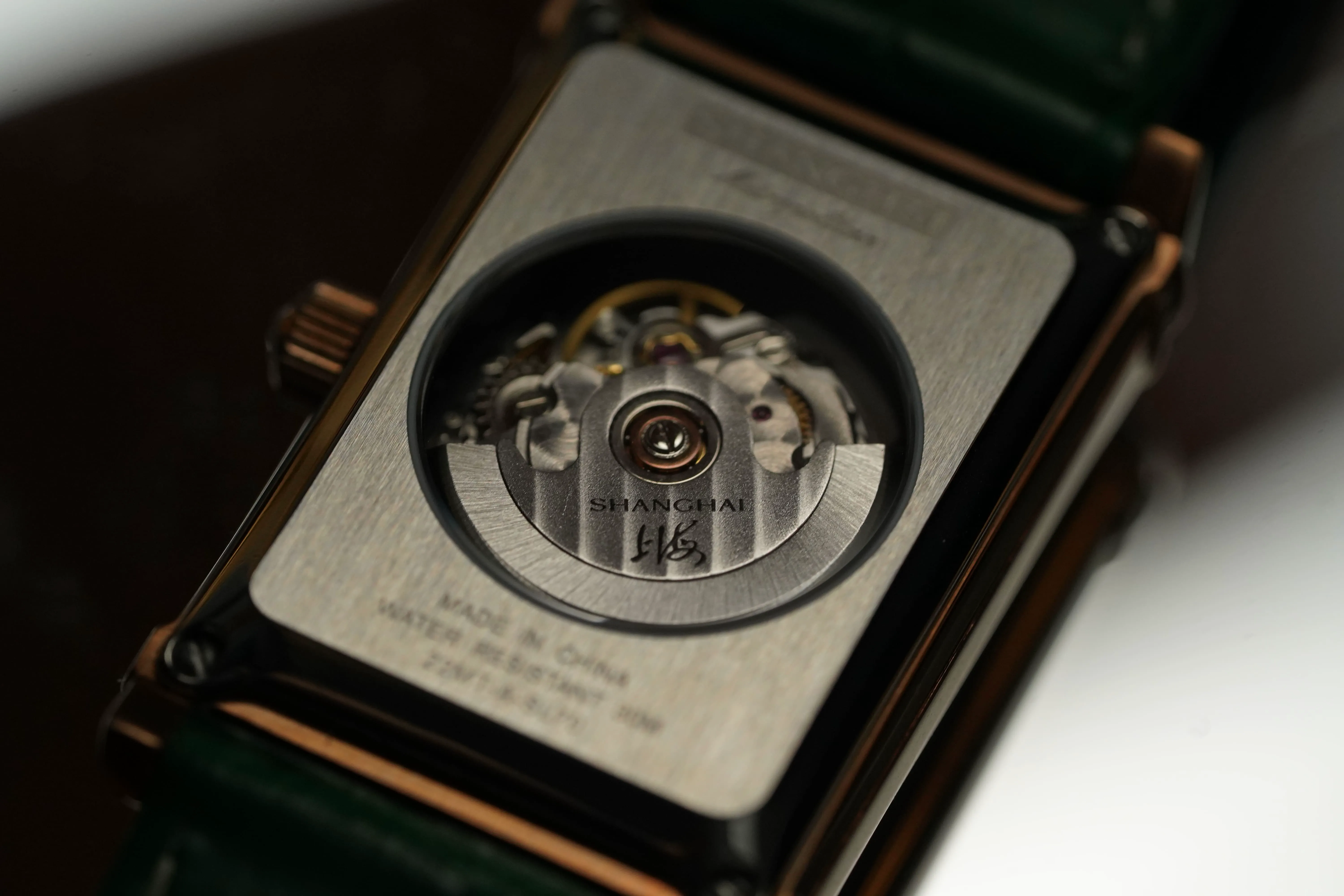
For Shanghai Watch owners, apply the same general watch care guide while following model-specific instructions. Official collections include ORIGINATE mechanical watches, MEMOIR automatic watches, and Sky Dome watches.
When to service an automatic watch
Use the watch manual first. Service intervals vary by brand, movement, age, use, and environment.
When no model-specific interval is available, use 3-5 years as a general planning reference for automatic watch maintenance and mechanical watch maintenance. Do not treat this as a fixed rule for every watch.
Seek inspection sooner when any of these conditions appear:
- The watch stops despite normal automatic watch daily wear.
- The watch gains or loses much more time than usual.
- The crown feels rough, tight, or gritty.
- The power reserve becomes noticeably shorter.
- Condensation appears under the crystal.
- The watch has been dropped or hit hard.
- Water enters the case.
- The date or day display jams or changes incorrectly.
Water resistance watch care is separate from full movement service. Water resistance is not permanent because seals and gaskets age. Have water resistance checked before planned water exposure, especially after impact.
For Shanghai Watch maintenance questions, use official product information and official retail channels. Do not assume one service interval applies to every Shanghai Watch model.
How to wind a mechanical watch and automatic watch correctly
Wind a manual mechanical watch off the wrist. This reduces sideways pressure on the crown and stem.
Follow these steps for how to wind a mechanical watch:
- Remove the watch from the wrist.
- Hold the case securely.
- Turn the crown gently in the winding direction.
- Stop when firm resistance appears.
- Do not force the crown beyond resistance.
Follow these steps for how to wind an automatic watch:
- Check whether the movement supports hand-winding.
- If the crown screws down, unscrew it first.
- Wind gently if hand-winding is supported.
- Set the time according to the manual.
- Push or screw the crown back securely.
Should you wind an automatic watch every day? Usually no, if it is worn regularly and remains powered. Wind it when it has stopped, when it has been worn briefly, or when the manual recommends starting it by crown winding.
Avoid quick-setting the date near the movement's date-change period unless the manual permits it. If the date feels stuck, stop and seek service.
How to care for a mechanical watch when accuracy changes
Mechanical watch accuracy is measured in seconds per day. It depends on movement design, regulation, winding level, position, temperature, shock history, magnetism, and service condition.
Track performance over several days before judging the watch. A single day can be affected by position, activity level, or low power.
Use this troubleshooting table when a mechanical watch is running fast or slow:
| Symptom | Possible cause | Action |
|---|---|---|
| Runs much faster suddenly | Watch magnetism or impact | Keep away from magnets and seek timing or demagnetizing support. |
| Runs slow | Low power, friction, aged oils, or wear | Wind fully and observe. Seek service if persistent. |
| Stops overnight | Insufficient wrist motion or reduced power reserve | Wind or start according to the manual. Inspect if repeated. |
| Runs inconsistently | Position variation, shock, or service need | Track over several days and request professional testing. |
| Condensation appears | Moisture ingress | Stop wearing and seek inspection promptly. |
To help keep a watch accurate:
- Keep it adequately wound.
- Avoid strong magnetic fields.
- Remove it before high-impact sports, power tools, or repeated vibration.
- Store it in a dry, stable place.
- Service it when timing changes persist.
Watch shock protection helps with ordinary bumps. It does not make a mechanical watch impact-proof.
How to clean, store, and protect a mechanical watch
Use dry cleaning as the default watch cleaning guide. Wipe the watch with a soft, clean cloth after wear.
Use water only when the model's water-resistance rating, current condition, and manual allow it. Do not wash a watch under running water if there is any doubt about seals, crown position, or service history.
Do not use solvents, alcohol, perfume, harsh detergents, abrasive cloths, or ultrasonic cleaning on the complete watch unless a professional confirms it is appropriate.
Leather strap care requires separate handling:
- Keep leather away from water, sweat, oils, cosmetics, and perfume.
- Wipe gently with a dry or slightly damp cloth when suitable.
- Let leather air dry naturally.
- Do not use heat to dry leather.
- Replace a strap before cracking or weakened holes affect security.
For how to store a mechanical watch, use a clean, dry watch box, pouch, or original packaging. Keep it away from magnets, direct sunlight, humidity, and sudden temperature changes.
A watch winder is optional for many automatic watches. Use one only when it is compatible with the movement's winding direction and turns-per-day needs.
Shanghai Watch care and official support
Shanghai Watch was founded in 1955 and is part of the early history of Chinese mechanical wristwatch manufacturing. Care should remain model-specific because case construction, strap material, movement type, and water-resistance information can differ.
Official Shanghai watches can be verified by QR code authentication. Owners may also register watches for extended warranty and member-related services.
Use the Shanghai Watch official website for official product information. For model-specific care, authenticity, and after-sales questions, use official boutiques or official retail channels.
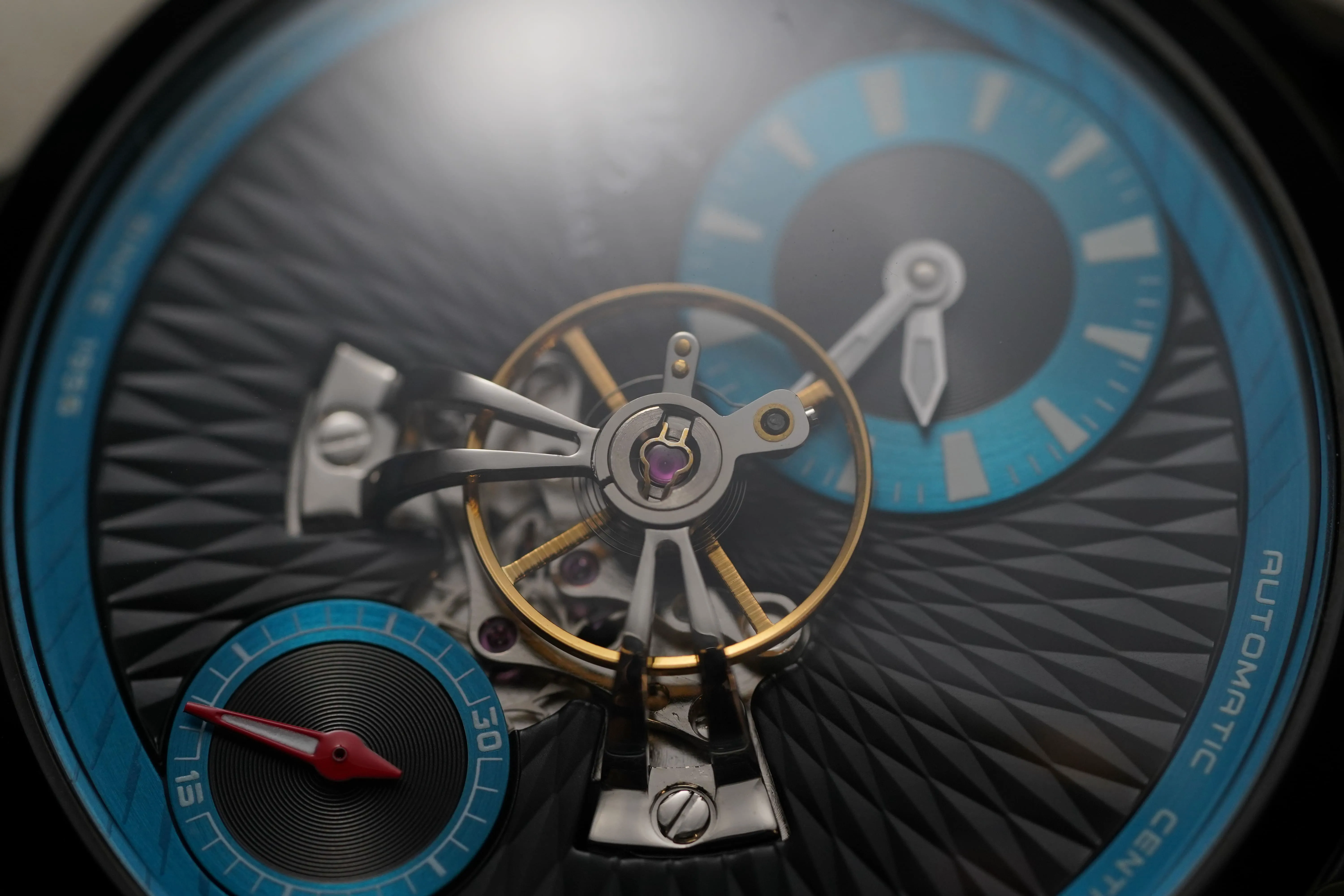
For automatic examples, see the MEMOIR collection or the Open Balance Automatic Watch. Follow the instructions for the exact model you own.
