

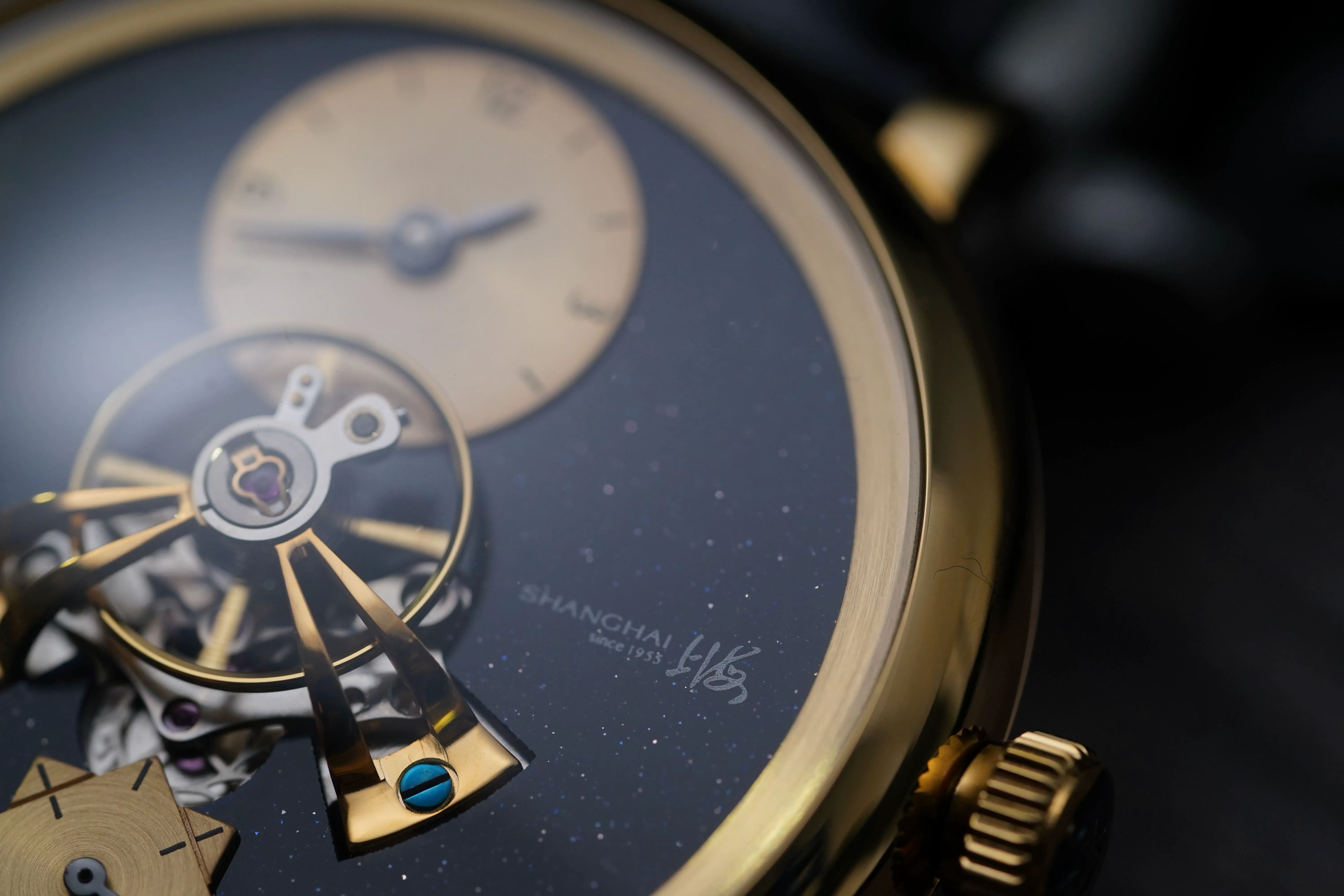
A mechanical watch runs fast or slow because its spring-driven movement reacts to winding level, position, temperature, magnetism, shock, moisture, lubrication, wear, and daily handling habits. Small variations are part of mechanical watch ownership, while sudden or extreme changes deserve careful attention. Shanghai Watch, founded in 1955, carries a mechanical watchmaking heritage shaped by Shanghai manufacturing, urban culture, and Eastern aesthetics, making proper care part of the pleasure of ownership rather than a burden.
How to care for a mechanical watch when it runs fast or slow
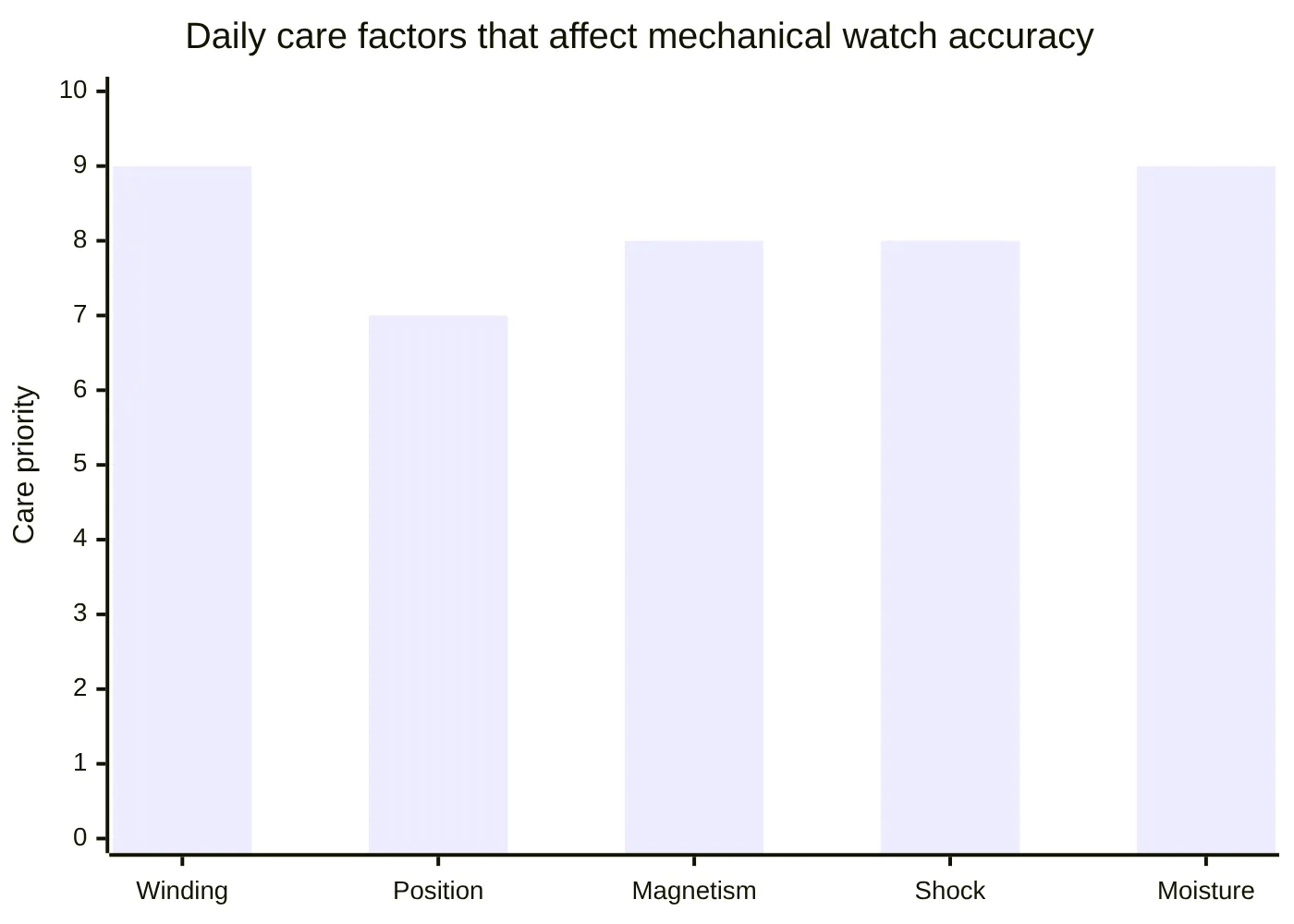
Mechanical watch accuracy is influenced by real-world conditions. A fully mechanical movement depends on a mainspring, gear train, escapement, balance, and hairspring. When power drops, temperature changes, or the watch rests in different positions overnight, the rate can shift slightly. Magnetism can also make a watch gain or lose time, and sudden fast running is often associated with magnetic exposure.
A practical watch care guide begins with observation. Compare the watch against a reliable time source over several days, not just one hour. Note whether the change happened after a drop, travel, water exposure, a long period near electronics, or several days without winding. This helps distinguish normal mechanical watch accuracy variation from a possible service issue.
| Symptom | Possible cause | Sensible next step |
|---|---|---|
| Stops overnight | Low power reserve or limited wrist motion | Wind gently and wear consistently |
| Suddenly runs very fast | Possible watch magnetism | Move away from magnetic sources and seek inspection if it continues |
| Runs slow after low activity | Insufficient winding | Build a steadier winding or wearing rhythm |
| Changes after a drop | Shock or vibration | Stop testing aggressively and consult support |
| Fog under crystal | Moisture risk | Keep away from water and seek service promptly |
Shanghai Watch owners can also explore the brand's mechanical heritage through the Shanghai Watch history guide, which traces the 1955 origins and early Chinese mechanical wristwatch story.
How to care for a mechanical watch with daily winding and wear
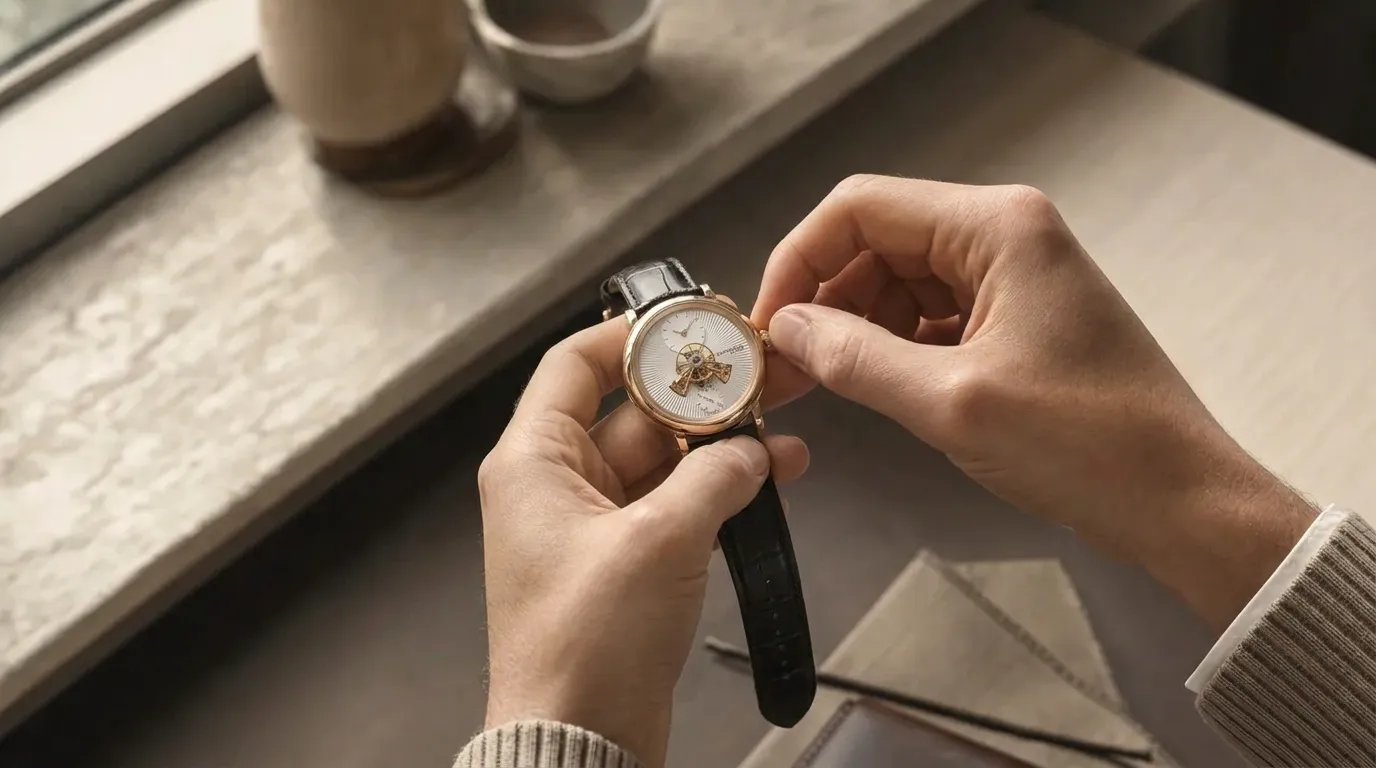
Mechanical watch daily care starts with consistent power. For a hand-wound watch, remove it from the wrist, turn the crown gently, and stop when firm resistance appears. Never force the crown. Winding at a similar time each day can support steadier energy delivery. This is the simplest answer to how to wind a mechanical watch.
Automatic watch maintenance is slightly different. An automatic watch winds through wrist motion, but if it has stopped, gentle manual winding can help restart it before setting the time. Should you wind an automatic watch every day? Usually not if it is worn regularly and the wearer is active enough, but low-activity days may leave the mainspring underpowered. How to wind an automatic watch always depends on the model, so treat the crown gently and avoid aggressive winding.
For collectors drawn to heritage-led designs, the official ORIGINATE collection offers a direct path into Shanghai Watch mechanical styling. The collection reference is not a substitute for model instructions, but it reflects the kind of ownership where careful winding, stable storage, and mindful daily wear matter.
How to care for a mechanical watch during storage and travel
How to store a mechanical watch is simple: keep it dry, stable, protected, and away from magnets. A watch box, pouch, tray, or roll can reduce dust, scratches, and accidental knocks. Avoid bathroom drawers, hot cars, direct sunlight, speakers, magnetic bag clasps, chargers, and other strong magnetic sources.
Position can also affect rate. Some mechanical watches gain or lose slightly depending on whether they rest dial up, crown up, or in another position. Owners who want to know how to keep a watch accurate can note overnight positions and look for a consistent pattern rather than changing everything at once.
Water resistance watch care deserves special restraint. Water resistance is not permanent; seals age and shocks may affect case integrity. Keep the crown pushed in or secured, avoid operating the crown when wet, and do not assume every water-resistant watch is suitable for swimming. Steam, hot showers, saunas, and sudden temperature changes are poor environments for mechanical watches.
Leather strap care is separate from case care. Keep leather away from prolonged moisture, sweat buildup, heat, perfumes, solvents, and harsh cleaners. Wipe it gently after wear and let damp leather dry naturally at room temperature.
How to care for a mechanical watch with safe cleaning habits
A conservative watch cleaning guide is best for long-term ownership. Wipe the case, crystal, and bracelet exterior with a clean microfiber cloth after wear, especially when sweat or moisture is present. Avoid bleach, solvents, abrasive cleaners, strong detergents, and unnecessary water exposure. Do not open the caseback or attempt movement cleaning at home.
For a metal bracelet on a suitably water-resistant watch, light exterior cleaning may be appropriate, but always follow the watch's own instructions. For leather, avoid soaking. For vintage, damaged, or uncertain water-resistant watches, professional cleaning is safer than experimentation.
Shanghai Watch buyers can learn more through the brand's product guides hub, including ownership and collector-focused reading such as why Shanghai watches still appeal to collectors. Official Shanghai watches can be verified through QR code authentication, and buyers may register eligible watches for extended warranty and member-related services.
How to care for a mechanical watch before deciding on service
How often to service a mechanical watch depends on the movement, use, environment, and manufacturer guidance. Industry examples vary, so no single interval should be applied universally. A better rule is to service based on both time and symptoms: sudden accuracy changes, moisture under the crystal, abnormal winding feel, unexpected stopping, reduced power reserve, unusual noise, or a crown that no longer secures properly.
How long does an automatic watch last? With careful use, periodic professional service, and parts availability, a quality automatic watch can remain usable for many years and often for decades. That is not the same as saying it lasts forever or never needs maintenance. Mechanical watches reward consistent care.
For Shanghai Watch ownership, the official Shanghai Watch website is the direct international channel for cross-border business. Duty-free, free shipping, and VAT are included in the price, with no additional fees charged. For authenticity confidence, the guide on buying without fake risks explains the importance of official channels and QR verification.
A mechanical watch does not need perfect conditions to be enjoyed. It needs thoughtful daily care, protection from avoidable risks, and professional attention when its behavior changes. That balance is the heart of shanghai watch care, shanghai watch maintenance, and a sensible shanghai watch guide for long-term ownership.
