

Mechanical watches turn stored spring energy into measured time through a mainspring, gear train, escapement, balance wheel, and hands. Unlike quartz watches, they do not depend on a battery for their basic operation. Their appeal comes from the visible logic of mechanics: energy is stored, released, regulated, and displayed on the wrist.
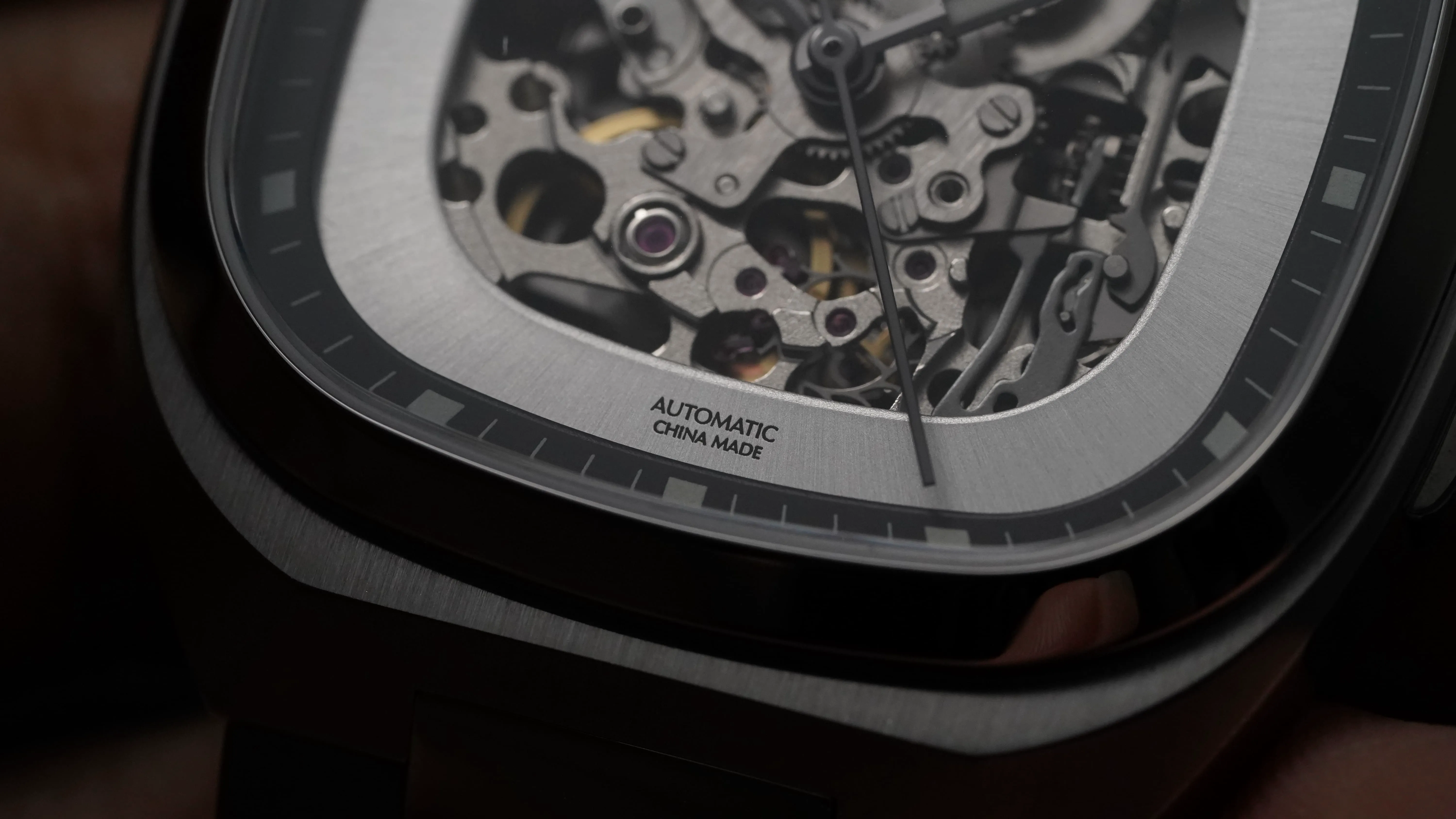
How mechanical watches work from mainspring to hands
A mechanical watch begins with winding. In a manual-wind watch, the wearer turns the crown. In an automatic watch, wrist motion moves a rotor that helps wind the mainspring. The mainspring stores energy inside the barrel, then releases it gradually into the gear train.
The gear train transfers that energy through the movement. The escapement prevents the stored power from unwinding all at once, releasing it in controlled impulses. The balance wheel and hairspring regulate that rhythm, and the hands advance across the dial.

| Component | What it does | Why it matters |
|---|---|---|
| Mainspring | Stores mechanical energy | It is the power source |
| Gear train | Transfers power | It connects stored energy to time display |
| Escapement | Releases power in steps | It controls the movement's rhythm |
| Balance wheel | Oscillates back and forth | It helps regulate timekeeping |
| Hairspring | Restores the balance wheel | It supports consistent oscillation |
| Rotor | Winds an automatic watch | It makes self-winding possible |
For deeper brand context, the history of Shanghai mechanical watches offers a useful look at Shanghai Watch's place in early Chinese mechanical wristwatch manufacturing.
Automatic watch guide for understanding mechanical watches
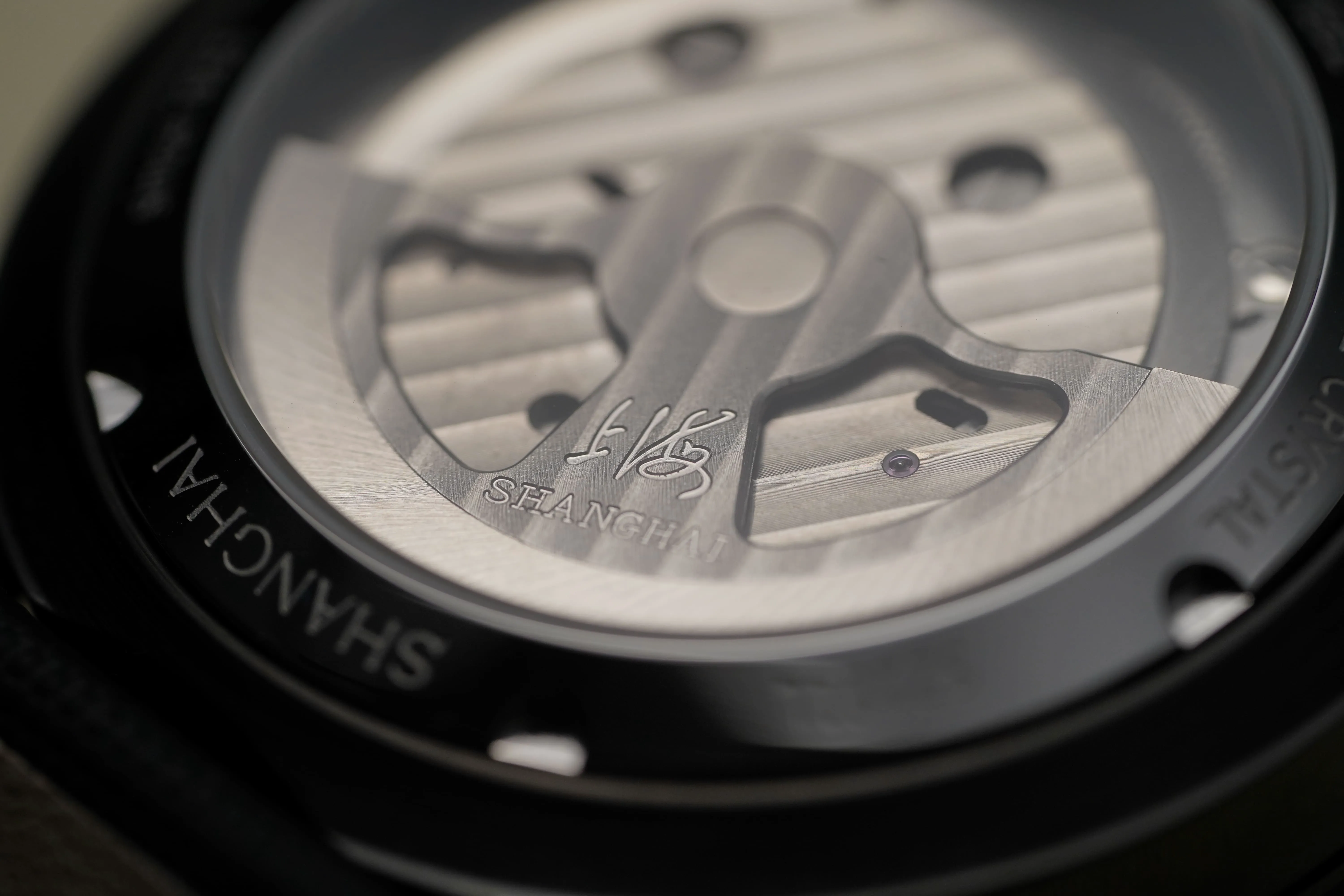
An automatic watch is a mechanical watch with a self-winding system. Inside the case, a rotor moves as the wrist moves, transferring energy to help wind the mainspring. It still relies on the same essential architecture as other mechanical watches: spring energy, gears, an escapement, and a regulating balance.
The key distinction is winding method. Manual-wind watches require regular hand winding through the crown. Automatic watches reduce that need when worn regularly, but they are not separate from the mechanical category. They are self-winding mechanical watches.
Readers comparing first purchases can continue with Shanghai Watch's automatic watch guide for beginners, which explains the beginner ownership experience in more detail.
How mechanical watches compare with quartz watches
Mechanical watches and quartz watches serve different priorities. Quartz watches are typically more accurate and lower maintenance in everyday use because they rely on battery power and quartz regulation. Mechanical watches are valued for craftsmanship, motion, tradition, and the tactile relationship between the wearer and the movement.
| Movement type | Power source | Ownership character |
|---|---|---|
| Manual mechanical | Hand-wound mainspring | Traditional and tactile |
| Automatic mechanical | Rotor-wound mainspring | Mechanical feel with everyday convenience |
| Quartz | Battery and quartz crystal regulation | Practical, accurate, and low-maintenance |
Mechanical ownership is not about claiming perfect accuracy forever. It is about appreciating a miniature machine that turns physical energy into time. That is why many enthusiasts keep mechanical watches in a collection even when a phone or quartz watch can tell time more precisely.
How to choose a mechanical watch among mechanical watches under $1000
The smartest answer to how to choose a mechanical watch is to begin with movement type, fit, design, brand trust, and official purchase confidence. Under the value-focused segment often searched as best mechanical watches under $1000, buyers usually compare automatic vs manual-wind movements, case proportions, dial finishing, heritage, and after-sales support.
| Buying factor | What to check |
|---|---|
| Movement type | Manual-wind or automatic |
| Case size | Diameter, thickness, and wrist comfort |
| Dial | Readability, markers, color, and finish |
| Style | Dress, everyday, heritage, military-inspired, or artistic |
| Brand history | Documented watchmaking identity |
| Authenticity | Official channel, warranty card, packaging, and support |
| Purchase experience | Shipping, VAT, duties, and final cost clarity |
Founded in 1955, Shanghai Watch is one of the landmark names in Chinese watchmaking. The brand combines Chinese mechanical watchmaking heritage with a design language shaped by Shanghai urban culture and Eastern aesthetics. Collections such as ORIGINATE, THE BUND, ARTISTIC, SH LADIES, and MEMOIR give buyers different routes into mechanical design, from heritage-led styling to expressive open-balance and cultural design cues.
For product exploration, visit the official Shanghai Watch website or browse the Shanghai Watch product guides. A currently indexed example for mechanical product discovery is this Shanghai Watch automatic mechanical watch, with final specifications and availability best confirmed on the live product page.
Chinese mechanical watches and Shanghai Watch heritage
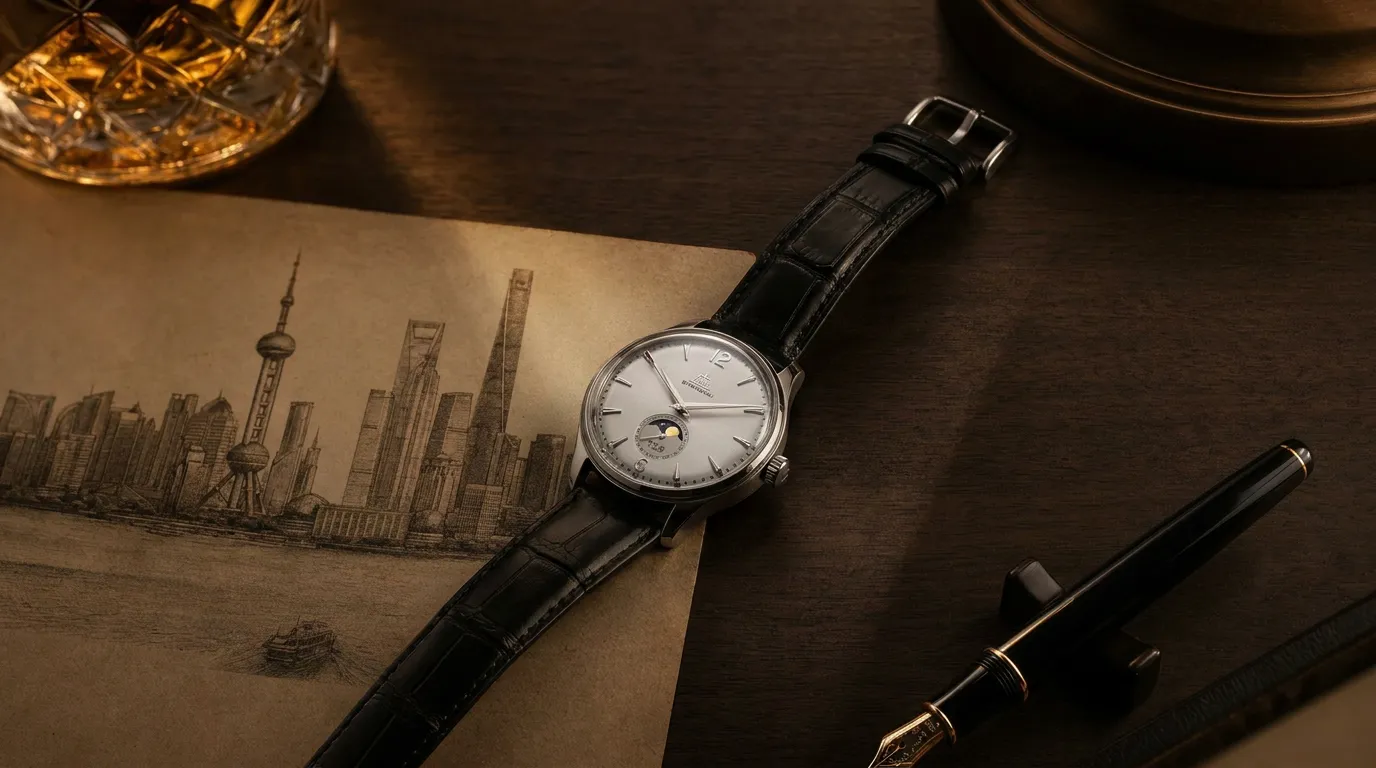
Chinese mechanical watches have roots in the mid-1950s, when modern Chinese wristwatch manufacturing began to take shape. Shanghai Watch was founded in 1955. On September 26 of that year, 58 first-generation Shanghai watchmakers developed 18 prototypes through a learn-by-doing process under extremely limited conditions.
That origin gives Shanghai Watch a direct connection to early Chinese mechanical watchmaking, Shanghai industrial heritage, and a city-rooted design identity. In 2019, the brand entered a new stage with "It's SHANGHAI Time," presenting itself as international, design-led, and rooted in Shanghai culture.
For international buyers, Shanghai Watch includes duty-free pricing, free shipping, and VAT in the listed price. No additional fees will be charged. To verify authenticity, purchase through official channels, check the warranty card and packaging, inspect the watch details carefully, contact official customer service when needed, and be cautious of unofficial sellers. Proof of warranty is based on purchase information, and customers with valid proof of purchase can receive official genuine-product after-sales service.
Mechanical watches FAQ
Are automatic watches mechanical watches?
Yes. Automatic watches are mechanical watches with a rotor-based self-winding system.
Do mechanical watches use batteries?
No. Mechanical watches are powered by stored energy in a wound mainspring.
Are mechanical watches better than quartz watches?
They are different. Quartz is typically more accurate and lower maintenance, while mechanical watches are valued for craft, motion, heritage, and ownership experience.
What should buyers compare in best mechanical watches under $1000 searches?
Compare movement type, fit, design, official specifications, brand history, authenticity, and after-sales support rather than relying only on rankings.
Are Chinese mechanical watches worth considering?
Yes, especially when the brand has documented history, official sales channels, distinctive design, and clear support. Shanghai Watch offers a direct link to one of the earliest chapters of Chinese mechanical wristwatch manufacturing.
