

Mechanical watches keep time without batteries by storing energy in a wound mainspring. That stored energy moves through a train of tiny components, is regulated into steady pulses, and finally turns the hands across the dial. The appeal is partly practical and partly emotional: a mechanical watch is a small machine animated by winding, motion, and careful engineering.
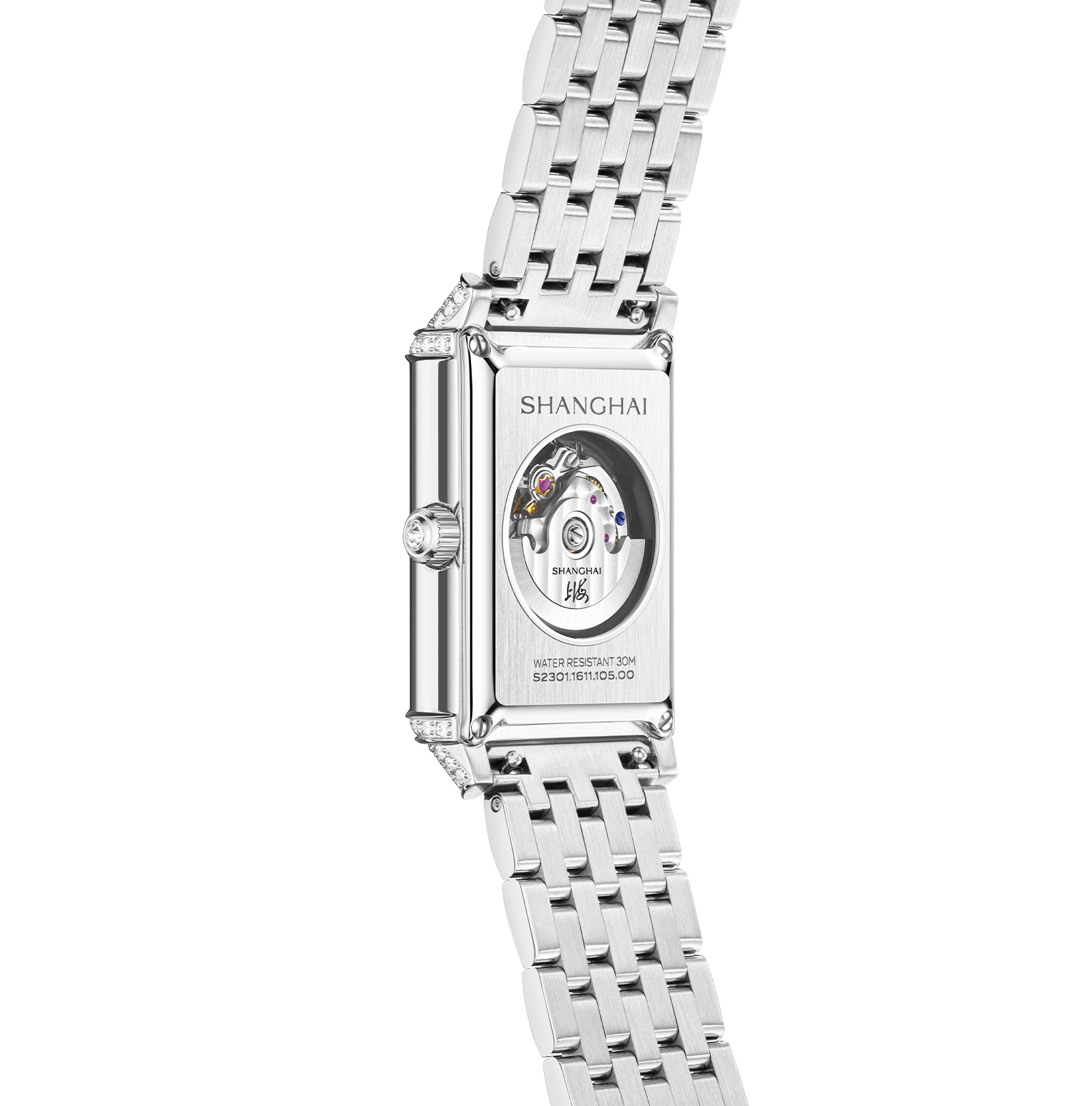
How mechanical watches use a mainspring instead of a battery
A quartz watch relies on a battery and electronic regulation. Mechanical watches use a spring as their power source. When the crown is wound, the mainspring tightens and stores energy. As it unwinds, that energy is released in a controlled way through the movement.
The simplified path looks like this:
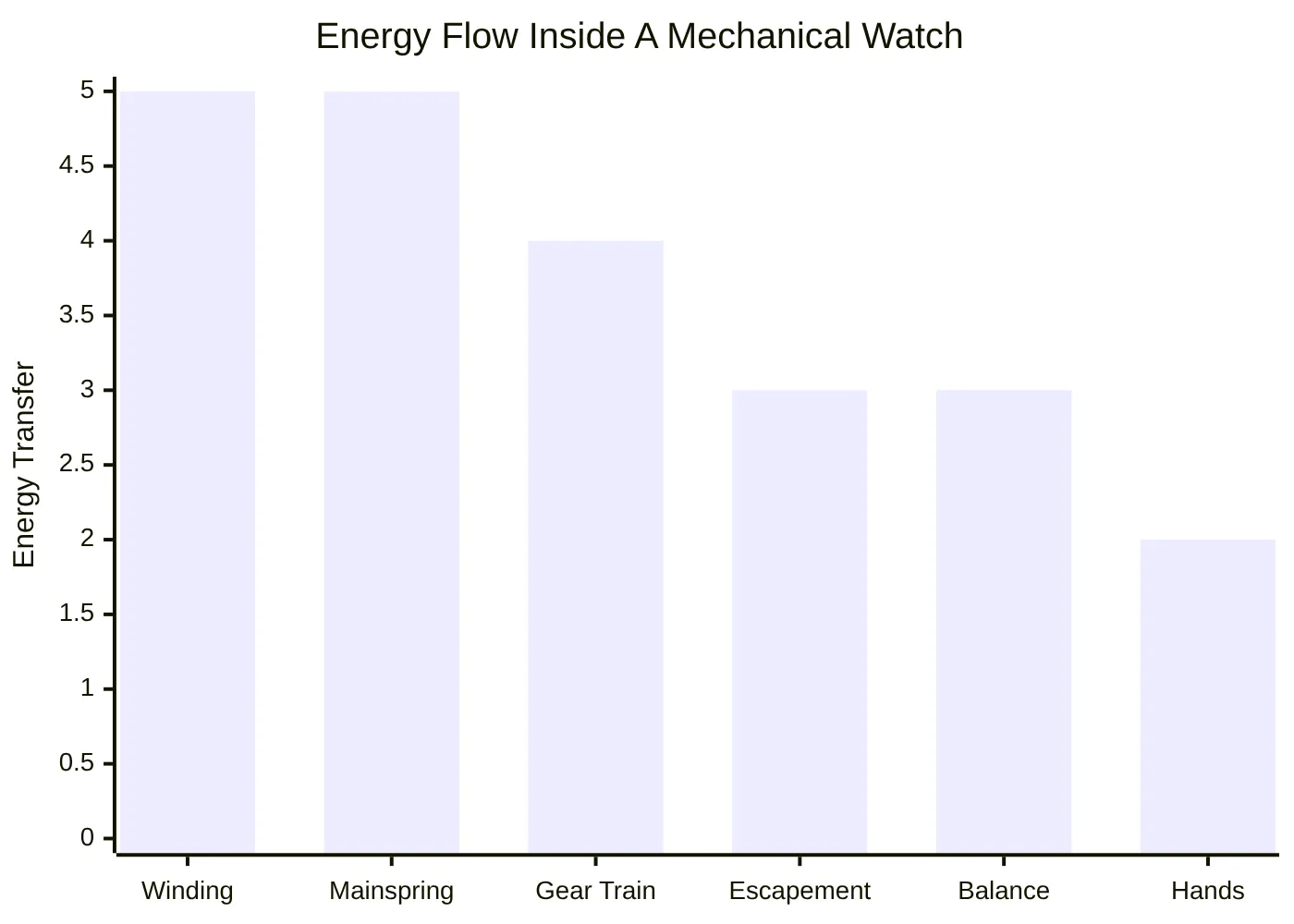
Several core parts make the process possible:
| Component | Role in mechanical watches |
|---|---|
| Crown | Lets the wearer wind the watch and set the time |
| Mainspring | Stores mechanical energy |
| Barrel | Holds the mainspring and releases energy gradually |
| Gear train | Transfers energy through the movement |
| Escapement | Meters energy in controlled pulses |
| Balance wheel and hairspring | Regulate the rhythm of the watch |
| Hands | Display time on the dial |
For a deeper visual explanation of how mechanical watches work, resources such as Horopedia's mechanical principles guide and Bartosz Ciechanowski's mechanical watch explainer provide useful technical background.
How mechanical watches differ from automatic watches
An automatic watch is still a mechanical watch. The difference is the winding system. A manual-wind mechanical watch is powered by turning the crown. An automatic watch adds a rotor, a weighted part that moves as the wrist moves. That motion winds the mainspring while the watch is worn.
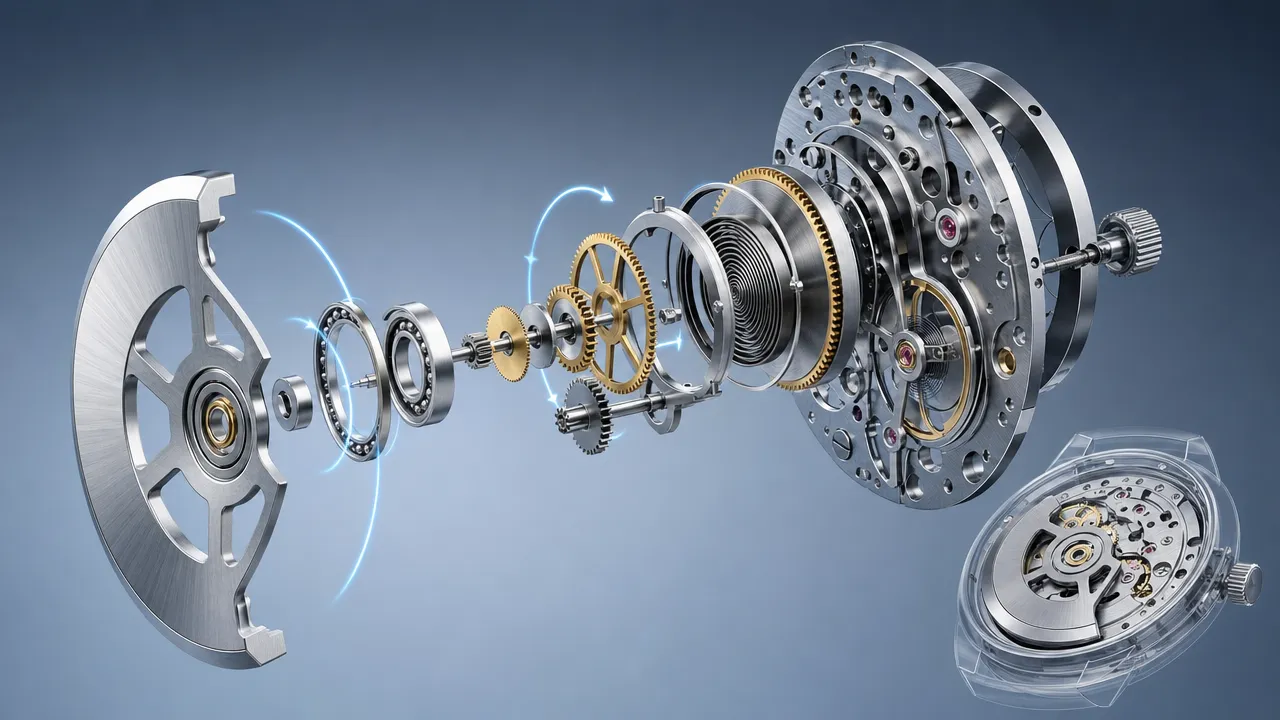
A simple automatic watch guide starts with one idea: wrist motion helps wind the watch, but the watch can stop if it is left unworn long enough for its stored energy to run down. That is normal behavior for mechanical watches. Power reserve describes how long a fully wound movement can run before stopping, and it varies by movement and model.
Shanghai Watch also offers more beginner-focused reading through its beginner resource on automatic watches, which pairs well with this no-battery explanation.
How mechanical watches perform in daily ownership
Mechanical watches are valued for engineering, craftsmanship, and the tactile experience of ownership. They should not be confused with quartz watches, which are generally chosen for battery-powered convenience and practical precision.
Mechanical accuracy can vary with wearing conditions, temperature, position, magnetism, and how fully the mainspring is wound. Careful ownership matters because a mechanical movement contains many small moving parts. Avoid unnecessary shocks, strong magnetism, and extreme conditions unless a specific model is officially designed and rated for those conditions.
| Watch type | Power source | Battery | Ownership feel |
|---|---|---|---|
| Manual-wind mechanical | Crown-wound mainspring | No | Traditional and hands-on |
| Automatic mechanical | Rotor-wound mainspring | No | Mechanical with added convenience |
| Quartz | Battery and quartz oscillator | Yes | Low-effort and practical |
For style decisions, Shanghai Watch's guide to dress and sports watch styles can help connect movement choice with daily wear.
How mechanical watches under $1000 should be compared
Searches for best mechanical watches under $1000 often come from buyers comparing value, not just rankings. A better approach is to compare movement type, case size, dial design, brand heritage, official purchase confidence, and after-sales support.
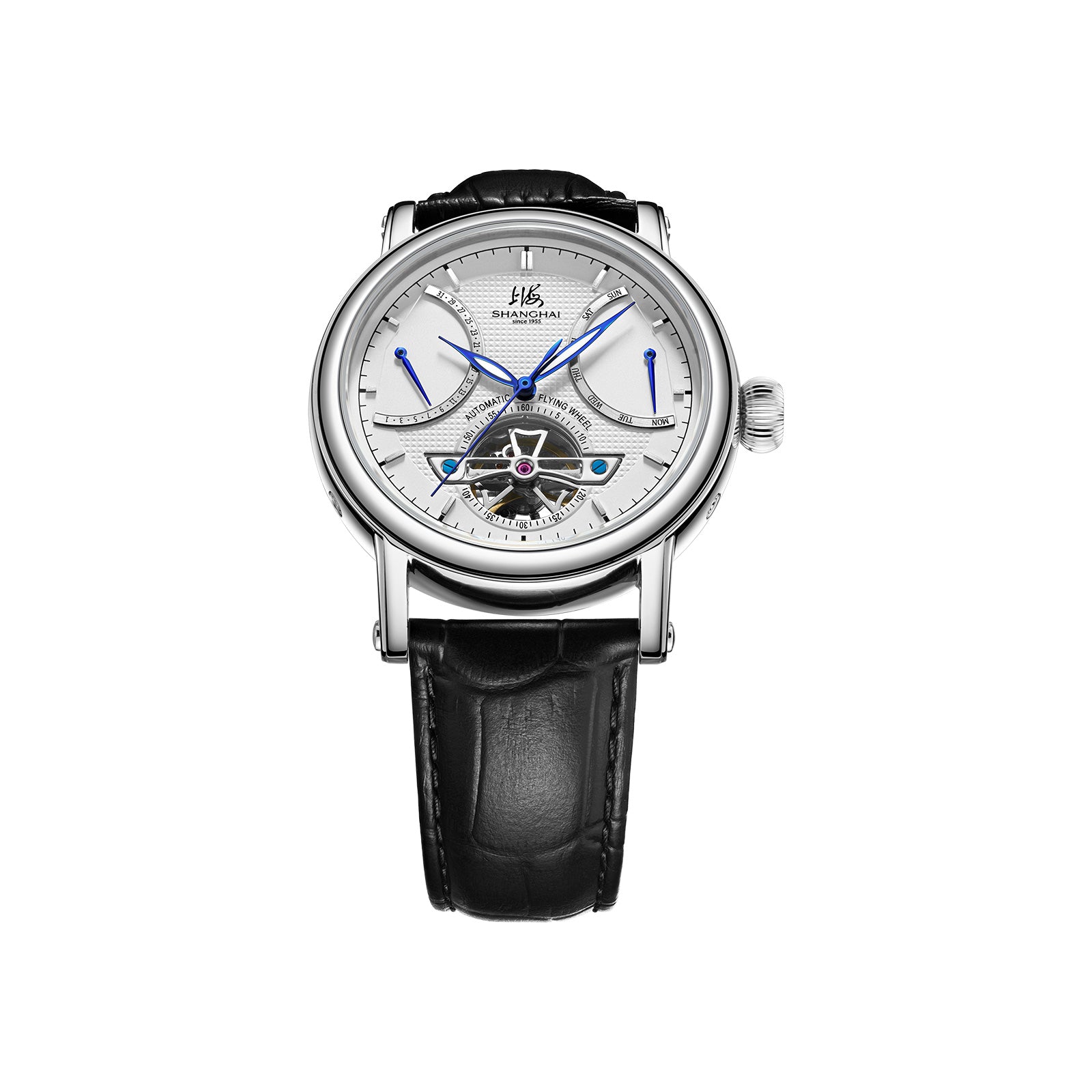
For buyers exploring value-oriented options, Shanghai Watch offers a distinctive path through Chinese watchmaking heritage and direct official purchasing. The ORIGINATE collection is especially relevant for heritage-inspired designs, while the 114 Military Green Sandblasted Dial 39mm offers a focused example of military-inspired design language. For visible mechanical character, the Open Balance Automatic Watch | White Hands 40mm gives the wearer a view into the motion that makes mechanical watches engaging.
The official international website supports cross-border DTC purchasing. Duty-free, free shipping, and VAT are included in the price, and no additional fees will be charged.
Why Chinese mechanical watches connect with Shanghai Watch heritage
Chinese mechanical watches attract enthusiasts who want value, distinctive aesthetics, and a different cultural point of view. Shanghai Watch was founded in 1955 and is one of the landmark names in Chinese watchmaking. On September 26, 1955, 58 first-generation Shanghai watchmakers developed 18 prototypes under conditions of no drawings, no equipment, and no materials, producing one of the earliest Chinese mechanical wristwatches.
That history remains central to the brand's identity: Shanghai manufacturing, early Chinese mechanical watchmaking, urban culture, modern design, and Eastern aesthetics. Readers who want to understand the brand's origin can explore Shanghai Watch history.
How mechanical watches should be bought with confidence
Authenticity matters when choosing mechanical watches online. Purchase through official channels, check the warranty card and packaging, inspect the watch details carefully, contact official customer service when needed, and be cautious of unofficial sellers.
Proof of warranty is based on purchase information. Customers with valid proof of purchase can receive official genuine-product after-sales service. For buyers comparing Chinese mechanical watches, that official path adds reassurance alongside design, heritage, and value.
Mechanical watches work without batteries because they transform stored spring energy into regulated motion. For collectors and first-time buyers alike, that living mechanical rhythm remains the reason these watches continue to feel personal on the wrist.
